Ilse Malfait
Speaker in Session 6
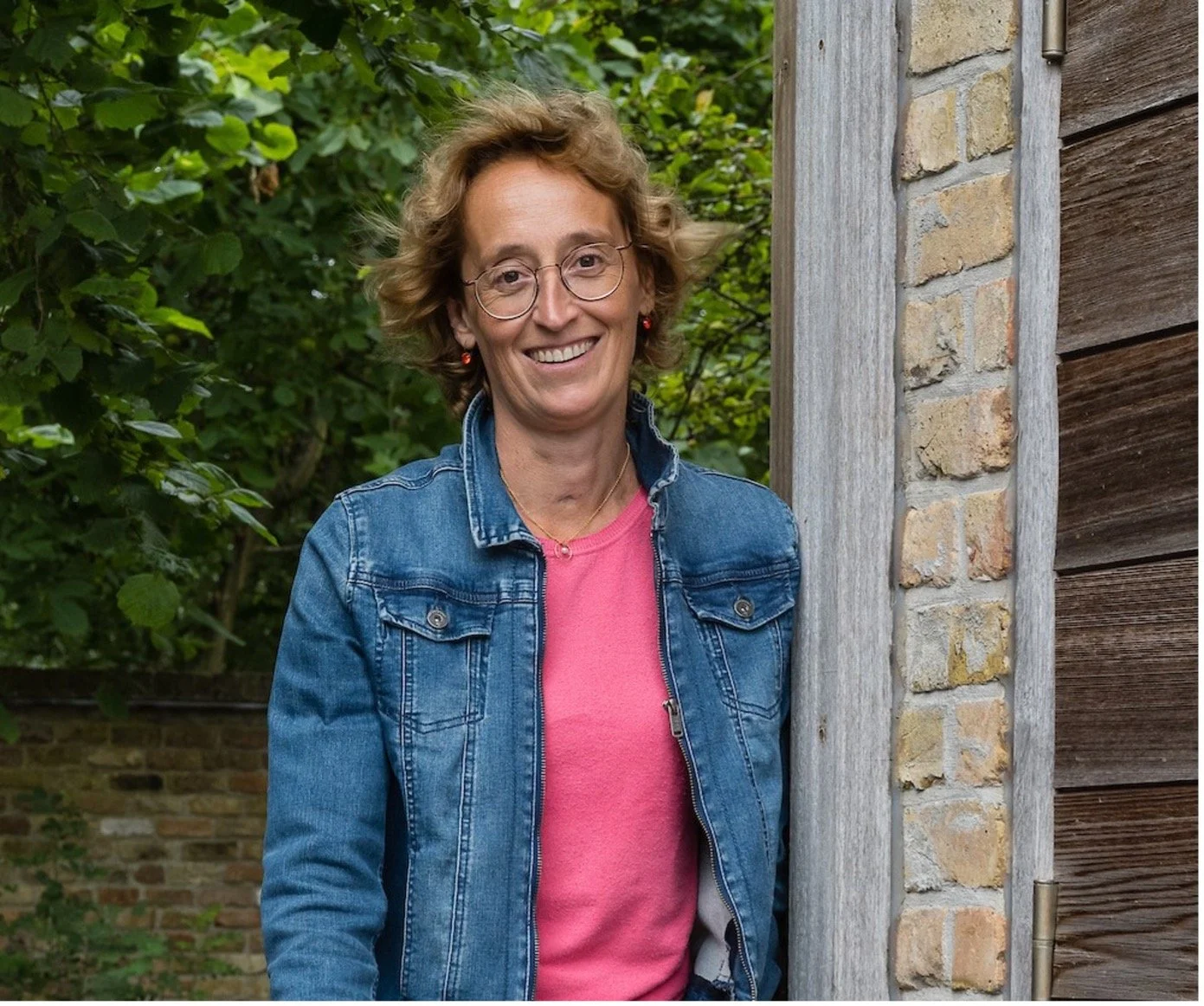
Ilse’s story is one of resilience and perseverance. In May 2020, she discovered a lump in her right breast, which was later diagnosed as an aggressive tumor. She was scheduled to undergo chemotherapy, followed by a breast-conserving surgery and radiation. However, things took a turn for the worse when she developed an intestinal perforation just four days after her first chemo treatment. After an emergency operation, she was hospitalized for 487 days, first in intensive care, then in the medical oncology department, and finally in the hospital’s rehabilitation center1.
Ilse’s condition deteriorated rapidly after the operation, and she was diagnosed with septic shock. She was flown to a university hospital, where she was in a coma for five to six weeks. Her husband and three sons were told that her chances of survival were very slim. Thanks to the top team in intensive care, she managed to pull through, but the sepsis and medication to combat it led to insufficient blood flow to her fingers and lower legs. This started a process of dying off, and eventually, her outermost phalanges and lower legs had to be amputated.
Ilse wrote about her experiences in the book “Every Hour Counts,” which emphasizes the importance of quick intervention in cases of septic shock. According to the World Health Organization, nearly 41,000 people in Belgium suffer from sepsis each year, of whom 7,675 die. Early recognition of symptoms and prompt treatment are critical to improving outcomes.
Ilse’s story was featured in a report on sepsis by Belgian TV channel VRT in November 2023, along with other survivors and experts. The documentary triggered a political debate that pushed the Minister for Health Frank Vandenbroucke, to commission a report from Prof. Erika Vlieghe, who was asked to elaborate a national plan for sepsis.
This is a major success of Ilse and of SEPSIBEL, a Belgian patient organization of sepsis survivors. You can refer to the news article you provided for more information.