Welcome to the 6th World Sepsis Congress
On behalf of the Global Sepsis Alliance, it is our great honor to welcome you to the 6th World Sepsis Congress. This year’s theme, Universal Sepsis Care for Newborns, Children, and Women, reflects both an urgent global imperative and a profound moral commitment: that no life should be lost to preventable or treatable sepsis, regardless of age, geography, or circumstance.
Sepsis remains one of the leading causes of death worldwide, affecting 26 million women and 20 million children each year. Sepsis claims millions of lives each year and disproportionately affects the most vulnerable: newborns in their first days of life, children in resource-limited settings, and women during pregnancy, childbirth, and the postpartum period. Maternal and neonatal infections continue to undermine decades of progress in global health. Advancing equity, strengthening health systems to attain the health-related targets of the United Nations Sustainable Development Goals necessitate universal access to timely and high-quality sepsis care across the prevention, diagnosis, treatment, and patient follow-up continuum.
Universal sepsis care relies on comprehensive, integrated health systems. These include robust infection prevention and control, vaccination, nutrition, safe childbirth services, access to essential medicines, diagnostics, oxygen, emergency, critical, and operative care (ECO), and post-discharge follow-up. Community awareness, survivor engagement, and input from patients and families are important in all aspects of care. We also need to address sepsis within antimicrobial resistance strategies, pandemic and other health emergency preparedness efforts, as well as investments in building resilient health systems.
Over two days, 90 leading experts, frontline clinicians, researchers, policymakers, sepsis survivors, and advocates from around the world will share state-of-the-art knowledge, evidence, innovations, and lived experiences. Together, we will examine what works: from community-based prevention to hospital-based critical care, and where critical gaps remain. We will highlight scalable solutions, explore the role of digital health and artificial intelligence, and forge practical pathways to reduce preventable deaths among newborns, children, and women.
One of the defining strengths of the World Sepsis Congress is its global accessibility. We are thrilled that the Congress attracts 10,000 to 15,000 registered participants from more than 170 countries every year. By convening virtually, we bring together participants from every region – across time zones, income settings, and professional backgrounds – without barriers to travel or cost. Whether you are joining from a tertiary hospital, a rural clinic, a ministry of health, a university, or your home, you are an essential part of this global community. Your engagement, questions, and collaboration are what transform this congress from a series of sessions into a shared movement for change.
The Global Sepsis Alliance was founded on the belief that collective action can drive measurable impact. As we advance the 2030 Global Agenda for Sepsis and work alongside partners worldwide, this Congress serves as both a milestone and a catalyst. The health and survival of newborns, children, and women are among the clearest indicators of a just and functioning health system. By prioritizing universal sepsis care for these populations, we strengthen care for all.
Let us use these two days to challenge assumptions, forge partnerships, and translate knowledge into concrete progress for patients, families, healthcare professionals, and institutions. Together, we can accelerate progress toward a world in which preventable sepsis deaths are unacceptable and the lives of newborns, children, and women are better protected.

Prof. Niranjan ‘Tex‘ Kissoon
Program Chair
President, GSA
Canada
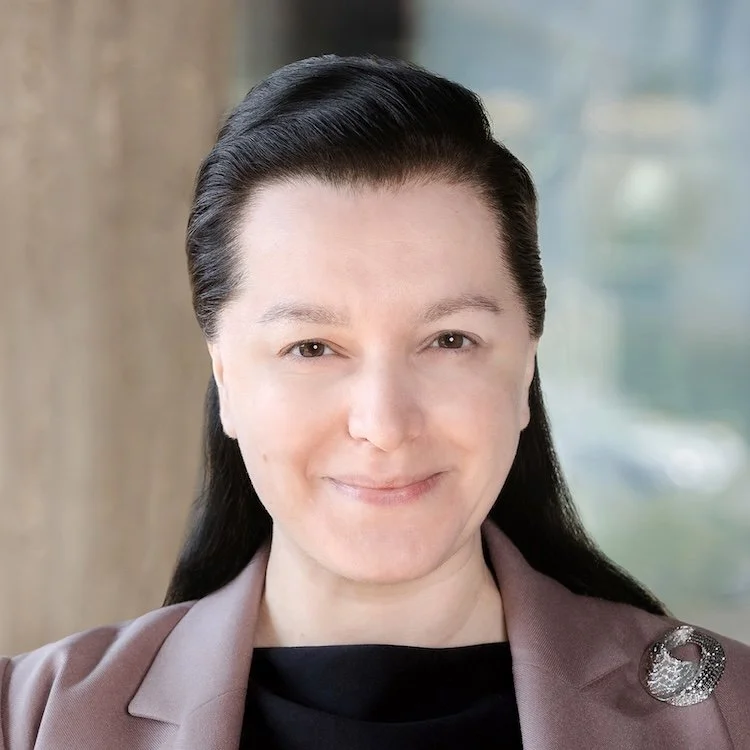
Dr. Mariam Jashi
Program Chair
CEO, GSA
Georgia